Resilience once meant pushing through everything on my own. However, my recovery taught me that real strength comes from knowing when to reach out for support. I began recognizing the signs in myself when my thoughts raced and doubt crept in. Rather than suppressing these emotions, I have learned to pause, reflect, and reach out for help.
The Night Everything Changed
On August 3, 2024, at 12:50 am, my car was struck head-on by a drunk driver. In those first moments, my mind raced. Is everyone alive? What do I do next? My hands shook as I called 911 and checked on my friends. One could not move due to abdominal pain. Another screamed with shoulder pain. One sat frozen, staring ahead. Despite my fear, I held my friends’ trembling hands to keep them conscious until help arrived.
I had minor injuries, but my friends needed surgery. In the days that followed, I pushed my own pain aside and focused on the legal and insurance steps so they could rest. At night, I kept replaying the crash with a flash of light filling my eyes. I kept wondering if I could have done something different. That spiral led nowhere.
Embracing Vulnerability
The turning point came when I finally stopped trying to carry everything on my own. I paused and looked inward. I thought about the times I had adapted to new places as an immigrant and the long training hours I put in for marathons. I realized that I had never made it through those challenges without some form of support.
I reached out to mentors, leaned on loved ones, and connected with fellow survivors. Talking about the crash felt uncomfortable in the beginning because it made me feel vulnerable. So, I began by reading the survivor stories on the Crash Support Network. Those stories became a light when everything felt dark. They helped me understand my own emotions and slowly gave me the courage to share my pain with others. Each time I opened up, the weight lifted a little.
It was during this time that a line from a book, The Boy, the Mole, the Fox and the Horse by Charlie Mackesy, finally made sense. The horse says, “Asking for help is not giving up. It is refusing to give up.” Those words stayed with me. They softened my fear of being seen. They helped me understand that vulnerability can be a bridge rather than a barrier. By embracing vulnerability and seeking support, I returned to my work as a scribe with more awareness and compassion. Being present for patients gave my days renewed meaning. It reminded me to listen and show kindness because we never truly know what someone else is carrying.
From Survivor to Supporter
Reading the stories and the crash survivor blogs on the Crash Support Network, I began to process my own fears and learned how others who were once in my shoes had moved forward. It helped me understand the emotional aftermath of a crash: not just the physical trauma, but the invisible pain survivors often carry. Most importantly, it reminded me that I do not have to go through this process alone.
Grateful for the support of the crash victim community, I began volunteering with the Crash Support Network, which soon became an essential part of my healing journey. I listen to survivors describe their pain and their fears, and I try to give them the same support I once needed. Each conversation reminds me that seeking help is not a sign of weakness. It is a sign that you are choosing to keep going. When faced with obstacles, I remind myself of the honest connections that fueled my healing journey.
Holding Onto Hope
A crash comes with costs that people often cannot see. Sleepless nights. Chronic pain. Waves of doubt. For me, it also meant pausing my path to becoming a doctor. What helped me most was realizing that I was not alone. That reminder gave me the strength to believe in my own recovery again. I have learned that the hardest moments often come when hope feels distant. As an incoming medical student and future physician, I hope to continue supporting crash survivors with the same compassion that carried me through my own healing.
You are not alone. You are stronger than you know. And it is never a sign of weakness to reach out when you need one. So, moving forward, I want you to remember that Healing doesn’t happen all at once, but every small step forward matters.
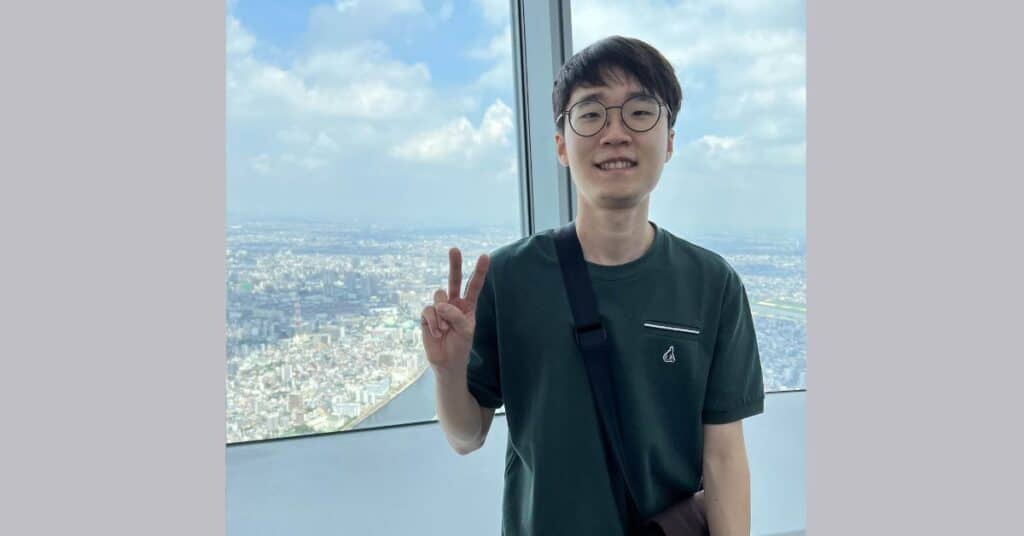
Submitted by: Jim Woo, Volunteer Support Group Moderator & Crash Connections Coordinator
This article is also featured in our 2025 Winter Issue of Sharing our Recovery.
The Crash Support Network is a truly unique platform that brings together survivor-focused support and road safety education in one accessible space. Created for individuals and families affected by motor vehicle collisions, it offers online support groups, a crash survivor blog, a quarterly newsletter “ Sharing Our Recovery,” and a growing library of informative articles. Built on a foundation of connection and compassion while amplifying the importance of road safety, the Crash Support Network goes beyond a website; it’s a community united around support, education and making our roads safer for everyone.