Mental Wellness is critical for any recovery and I’ve never been in a motorized vehicle collision, but I know you have. But I’ve always known I’m at high risk for breast cancer. Like a car crash, cancer may very well be just around the corner for any of us. At age 44, I have a 21% chance of being diagnosed with breast cancer (compared to 2.1% for the average woman my age) and my lifetime risk is estimated at 66% (10% for the average woman).
These numbers have been looming over my life for almost two decades now and have caused impact on a myriad of levels. I have been in and out of examination rooms, ultrasounds, MRIs, 3D mammograms, biopsies, and surgery for as long as I can remember — well before the age doctors recommend you start getting regular check ups. Mostly, this verdict has impacted my mental health. If you put the impending doom of cancer and insufficient mental health management, you end up with a cocktail of dread, solitude and social anxiety, isolation, frequent panic attacks, a vague sense of not belonging, and an overall feeling of being completely alienated from happy times and genuine laughter and banter.
I Could Not Control My Anxiety
Let me walk you through a “normal” week in my life, back when anxiety reigned, without strictures. Right around the time I was supposed to have a medical check up, I would start having trouble sleeping. I would wake up in the middle of the night, sweating, trembling, nauseous, about to throw up. I’d run to the bathroom mirror and obsessively self-examine my chest for the ninth time, only to find yet another deadly lump, the one that was for sure going to do it for me. If I were able to go back to sleep, I’d wake up to a long day of intrusive thoughts and obsessive-compulsive behaviors; I would feel nausea invading my whole body. If I were hungry, I couldn’t eat, I wasn’t thirsty but my mouth was dry, I was tired but I couldn’t close my eyes, lest I’d see my worst enemy, He Who Must Not Be Named, also known as breast cancer. None of this could I control. In fact, I wasn’t even aware that there was any controlling to be done. I thought this behavior was valid and rational, just normal.
Five and a half years ago, I entered my psychiatrist’s practice for the first time. By then, the image I had of myself was that I was an amalgam of confusion, dread, panic, misinformation and sickness. The anxiety and panic disorder had gotten so bad that, when I showered, I couldn’t touch my chest. I couldn’t look at myself in the mirror, and I loathed my breasts because they were the source of so much pain. I wanted to rip them out with my own hands and I couldn’t understand why others thought so highly of these appendices in a woman’s chest. It was at that point that I heard about the three-legged stool approach: therapy (mine was Cognitive Behavioral Therapy, usually referred to as CBT), medication, and self-care. Over the course of the last five years, I opened up to the concepts of self-love, self-care and self-loving compassion. These, once abstract, became a strong part of my routine and, now, I can’t imagine a life where I don’t prioritize my needs, goals and aspirations.
Mental Wellness Takes Time
I have never been in a motorized vehicle crash, like I know you have. But I know mental health is not a given. Like the healing of our own bodies, after an accident or cancer, mental wellness requires time, patience, gentleness, and a huge daily dose of self-compassion. Five years were needed for me to claim and accept a part of my body as it truly is, with its high density, abundant cysts and microcalcifications, and high propensity for breast cancer. Give yourself the gift of self-love and practice self-care with the same diligence you practice physical therapy. Be curious and listen to your needs the same way you would be attentive to chronic pain. Make room in your path to recovery from trauma and distress for mental health. And make sure you’re being screened for breast cancer at least once a year. Know the first symptoms and learn how to self-check your chest area. Early detection is key. And so is giving your physical and mental health a big daily hug.
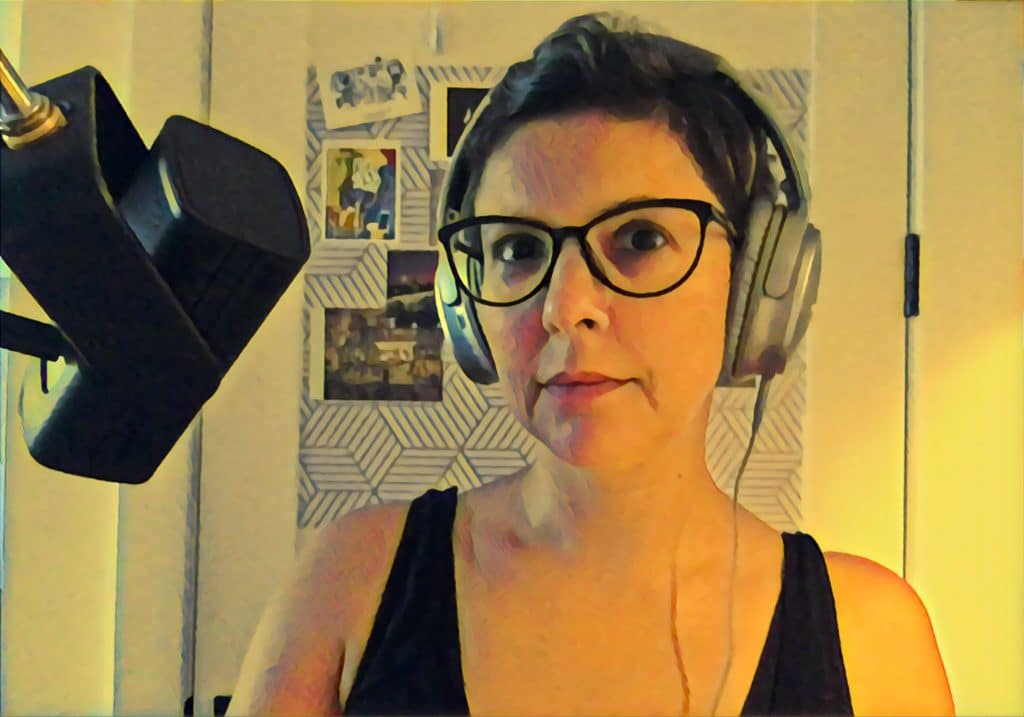
Marina Gee is originally from Lisbon, Portugal, and she immigrated to New York City in 2013, while pursuing a career in linguistic and cultural awareness. She holds a PhD in Culture Studies from the University of Lisbon and fluently speaks five languages.
We thank Marina for sharing her inspirational story with us and are grateful for her support to crash survivors.
Submitted by Marina Gee
The Crash Support Network is a truly unique platform that brings together survivor-focused support and road safety education in one accessible space. Created for individuals and families affected by motor vehicle collisions, it offers online support groups, a crash survivor blog, a quarterly newsletter “ Sharing Our Recovery,” and a growing library of informative articles. Built on a foundation of connection and compassion while amplifying the importance of road safety, the Crash Support Network goes beyond a website; it’s a community united around support, education and making our roads safer for everyone.