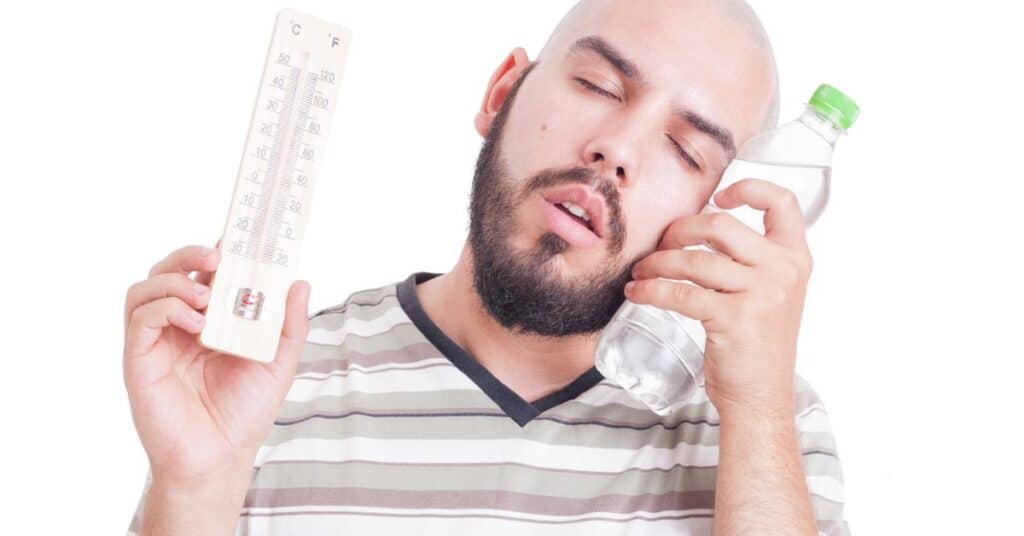
Summer is often associated with sunshine, vacations, and outdoor fun but if you’re recovering from a motor vehicle crash, the heat can introduce a new set of challenges. From physical discomfort to complications with medication or therapy, hot weather can interfere with your healing process in ways you might not expect. Recovering from a crash is not easy but doing so during the summer months can bring unexpected challenges. High temperatures, increased outdoor activity, and travel disruptions can all affect your physical and emotional healing.
Whether you’re healing from broken bones, spinal injuries, whiplash, traumatic brain injuries, chronic pain, PTSD, or other invisible injuries, hot temperatures and humidity can sometimes make symptoms more noticeable. Summer months bring increased fatigue, headaches, dizziness, swelling, irritability, and difficulty concentrating. It can also affect medications, mobility challenges, or sensory sensitivities make coping with the heat even more difficult. The good news is that with a little planning and self-care, you can still enjoy the season while protecting your health and supporting your recovery. Understanding how hot weather impacts your recovery can help you stay safe, comfortable, and on track.
Dehydration Slows Healing
Summer heat increases your risk of dehydration, which can hinder your body’s ability to heal. Water helps transport nutrients to injured tissues and supports joint and muscle recovery. If you’re recovering from injuries like whiplash, fractures, or surgery, even mild dehydration can increase fatigue and discomfort. Drink plenty of water throughout the day, especially if you’re outside or taking medication.
Heat Can Worsen Inflammation and Swelling
If you’re dealing with soft tissue injuries, burns, or bruising, heat can increase inflammation, leading to more pain and discomfort. Hot temperatures cause blood vessels to expand, which can worsen swelling in already-injured areas. That extra inflammation can make pain management more difficult and slow down your overall recovery. Stay cool. Use ice packs as directed by your doctor, elevate swollen areas, and avoid spending long periods in direct sun.
Medication Side Effects May Be Stronger
Certain pain medications, muscle relaxants, or antibiotics prescribed after a motor vehicle crash can cause side effects like dizziness, light-headedness, or sensitivity to heat. These effects are often intensified in high temperatures. Read medication labels carefully and avoid prolonged sun exposure if heat sensitivity is listed.
Fatigue and Heat Exhaustion Are Real Risks
The body works overtime to regulate its temperature in hot weather, which can lead to increased fatigue especially for those already dealing with physical trauma. This can leave you feeling drained, making it harder to keep up with appointments, exercises, or everyday tasks. Pace yourself and rest when needed. Avoid doing too much during the hottest parts of the day and wear lightweight, breathable clothing.
Physical Therapy and Outdoor Exercise May Need Adjusting
Summer is a popular time for walking, swimming, and light stretching outdoors which are all great for rehabilitation. But in high heat, these activities can become risky if not properly timed and paced. Schedule physical therapy and outdoor activity during cooler morning or evening hours. Never push through pain or exhaustion and always wear breathable, light-colored clothing.
Emotional Stress Can Increase
Heat can contribute to irritability, mood swings, and mental fatigue all of which are common during recovery. If you’re dealing with post-crash anxiety, PTSD, or depression, the added stress of extreme weather can make things feel worse. The emotional strain of recovery, combined with summer heat, can feel overwhelming. Practice self-care. Take breaks, spend time in air-conditioned environments, and seek support from friends, family, professionals or our online support group if you’re feeling down or anxious. Sometimes, even a change of scenery (like a cool, quiet room) can help you reset.
Know the Signs of Heat-Related Illness
Crash survivors may be more vulnerable to the effects of heat, particularly if they have underlying medical conditions or take certain medications.
Watch for symptoms such as:
- Excessive fatigue
- Dizziness or lightheadedness
- Headache
- Nausea
- Muscle cramps
- Confusion
- Rapid heartbeat
- Heavy sweating or, in severe cases, hot dry skin
Give Yourself Grace
One of the hardest parts of recovery is accepting that your life may look different than it did before your crash. Perhaps you can’t spend all day at the beach. Maybe you need to avoid crowded festivals, limit outdoor activities, or rest more often than your friends and family. That’s okay. Recovery is not measured by how busy you are or how many summer activities you can fit into your calendar. It’s measured by the small victories. The days when your pain is a little more manageable, when you sleep a little better, or when you accomplish something that once felt impossible. Celebrate those moments.
You’re Not Alone
At the Crash Support Network, we know that healing doesn’t follow a schedule. Recovery often continues long after visible injuries have healed, and every survivor’s journey is unique. This summer, be kind to yourself. Listen to your body. Stay cool, stay hydrated, and remember that healing is a marathon, not a sprint. Recovering from a motor vehicle crash during the summer adds unique challenges but with a few precautions, you can stay on top of your recovery and avoid setbacks.
This Crash Survivor Blog was also featured in our 2025 Summer Issue of Sharing our Recovery.